
Vaccinium corymbosum 'Blueray'
Highbush Blueberry
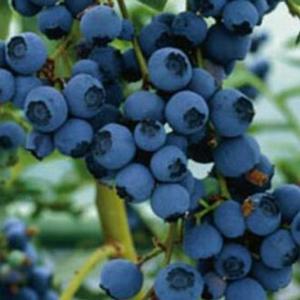
Photo courtesy of Greenleaf Nursery

- An old favorite!
- Outstanding yields
- Large, powder blue berries
- Great burgundy color in the fall

Border or Bed

Cold Tolerant

Drought Tolerant

Edible

Fragrant

Garden

Mass Planting
Homeowner Growing and Maintenance Tips:
Prefers acidic, organically rich, moist, well-drained soil. Cross-pollination from more than one variety will yield a better crop. Pruning can be done as needed in late winter. Fertilize in the spring with a fertilizer made for acid loving plants, do not fertilize in the first year.
Height: 6-7 ft
Spread: 6-7 ft
Price Level 1: $39.99~#2
Bloom Color:
Zone: 4-8
Price Level 2: $49.99 ea.~#3
Additional Characteristics & Attributes:
Attributes:
- Mass Planting
- Edible
- Specimen
- Fragrant
- Garden
- Border or Bed
- Fall Color
- Native
- Drought Tolerant
- Cold Tolerant
- Salt Tolerant
Exposure:
- Full Sun
- Partial Sun
Habit:
- Upright
- Mounding
Foliage Color:
- Dark Green
Season of Interest (Flowering):
- Spring
Season of Interest (Foliage):
- Fall
Attracts Wildlife:
- Attracts Songbirds
- Attracts Pollinators
- Attracts Butterflies
Soil Moisture:
- Average Water
- Moist, Well-Drained
Genus Overview: Vaccinium
Common Name: Highbush Blueberry
Upright deciduous shrub with dark green, ovate to elliptic leaves and bright coppery-red fall color. Loose clusters of white, urn-shaped flowers bloom in spring. Round, sweet berries are dark blue to purple with a dull, blue-gray bloom on their surface. Great as an ornamental shrub in borders or open woodlands or grown specifically for their fruit.