

All Plants :: All Ornamental Grass
Schizachyrium scoparium 'Standing Ovation'
Little Bluestem
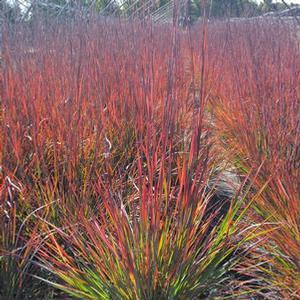
Photo courtesy of Prides Corner Farms

- Blue-green foliage upright foliage
- Turns shades of red, orange and purple in the fall
- Seed heads are of interest to birds for feeding and nesting
- Provides landscape interest summer, fall and winter

Border or Bed

Cold Tolerant

Dried Flower/ Foliage

Drought Tolerant

Garden

Great Foliage

Low Maintenance
Homeowner Growing and Maintenance Tips:
Prefers average to rich, dry to medium moisture, well-drained soil and full sun. Tolerates a wide range of soil conditions such as clay and occasional flooding, high heat and humidity. Good drought tolerance once established. Plants can be cut back to the ground in late winter or early spring. Mulching is beneficial.
Height: 3-4 ft
Spread: 10-12 in
Spacing: 12-24 in
Price Level 1: $29.99~#2
Bloom Color: Non-Flowering
Zone: 3-8
Additional Characteristics & Attributes:
Attributes:
- Mass Planting
- Garden
- Dried Flower/ Foliage
- Summer Bloomer
- Ornamental Grass
- Native
- Great Foliage
- No Fertilizing
- Drought Tolerant
- Cold Tolerant
- Specimen
- Focal Point
- Border or Bed
- Fall Color
- Low Maintenance
Critter Resistance:
- Rabbit Resistant
- Deer Resistant
Exposure:
- Full Sun
Habit:
- Upright
Foliage Color:
- Purple
- Blue
- Red
Season of Interest (Flowering):
- Fall
- Summer
Season of Interest (Foliage):
- Fall
- Summer
- Winter
Attracts Wildlife:
- Attracts Butterflies
- Attracts Songbirds
- Attracts Pollinators
Soil Moisture:
- Dry Soil
- Average Water
- Moist, Well-Drained
Genus Overview: Schizachyrium
Common Name: Little Bluestem
Upright, clump-forming grass with slender, flat, linear, green-blue or variegated leaves. Bronze-orange to purple fall color. Purplish-bronze flowers bloom in summer followed by clusters of fluffy, silvery-white seed heads which often persist into winter. Great for borders, rock gardens, mass plantings and meadows.