
Pyrus communis 'Bartlett'
European Pear
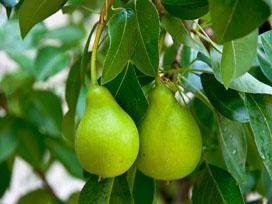
Photo courtesy of Roseland Nursery

- Vigorous and productive
- Large and golden yellow fruit
- Juicy and highly flavored fruit
- Bears fruit at young age

Edible

Garden

Mass Planting

Full Sun

Spring

Attracts Butterflies

Attracts Pollinators
Homeowner Growing and Maintenance Tips:
Prefers medium moisture, well-drained soil. Plant two or more varieties for best cross-pollination. Feed yearly with an organic fertilizer. Pruning can be done in winter to encourage open branching and good airflow.
Height: 15-18 ft
Spread: 12-15 ft
Price Level 1: $89.99~#7
Bloom Color:
Zone: 5-8
Additional Characteristics & Attributes:
Attributes:
- Mass Planting
- Specimen
- Edging
- Garden
- Edible
Exposure:
- Full Sun
Habit:
- Upright
Season of Interest (Flowering):
- Spring
Attracts Wildlife:
- Attracts Pollinators
- Attracts Butterflies
- Attracts Songbirds
Soil Moisture:
- Average Water
- Moist, Well-Drained
Genus Overview: Pyrus
Common Name: European Pear
Trees have ovate to elliptic, glossy, green leaves and crenate or serrate margins. Red or yellow fall color. Fragrant, five-petaled, white or flushed pink flowers bloom in early spring. Flowers are followed by yellow, dark red or coppery fruit that ripens from mid-summer to fall depending on variety. Great for home orchards, may be espaliered.