
All Plants :: All Native Plants
Penstemon digitalis 'Husker Red'
Beardtongue
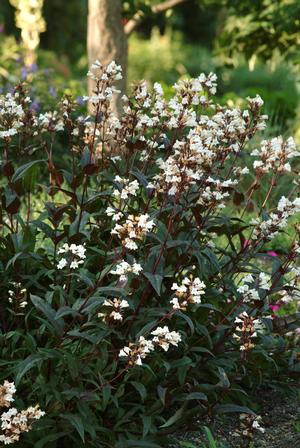
Photo courtesy of Ball Seeds

- Easy to grow native
- Tall spikes of white-blush flowers
- Deep burgundy-purple foliage
- Blooms mid spring to early summer

Border or Bed

Cut Flower/ Foliage

Drought Tolerant

Garden

Great Foliage

Heat Tolerant

Low Maintenance
Homeowner Growing and Maintenance Tips:
Prefers very well-drained soil and full sun to light shade Low maintenance plant Prune off spent flowers Drought tolerant once established
Height: 30-36 in
Spread: 12-18 in
Spacing: 12 in
Price Level 1: $7.99 ea.~#1
Bloom Color: White
Zone: 3-8
Price Level 2: 5 for $35~#1
Additional Characteristics & Attributes:
Attributes:
- Mass Planting
- Border or Bed
- Summer Bloomer
- Salt Tolerant
- Great Foliage
- Cut Flower/ Foliage
- Low Maintenance
- Native
- Garden
- Drought Tolerant
- Heat Tolerant
- Rock Garden
Critter Resistance:
- Rabbit Resistant
- Deer Resistant
Exposure:
- Full Sun
- Partial Sun
Habit:
- Upright
Foliage Color:
- Green
- Bronze
- Purple
Season of Interest (Flowering):
- Summer
- Spring
Attracts Wildlife:
- Attracts Pollinators
- Attracts Butterflies
- Attracts Hummingbirds
Soil Moisture:
- Moist, Well-Drained
- Dry Soil
- Average Water
Genus Overview: Penstemon
Common Name: Beardtongue
Clump-forming perennial with elliptic basal leaves and lance-shaped leaves on the stems. Panicles of tubular flowers in a variety of colors including, white, pink, purple and blue. Blooms mid-spring through summer. Great for borders, wild gardens and naturalized areas. Penstemon digitalis and barbatus are native.