


All Plants :: All Ornamental Grass
Panicum virgatum 'Heavy Metal'
Blue Switch Grass
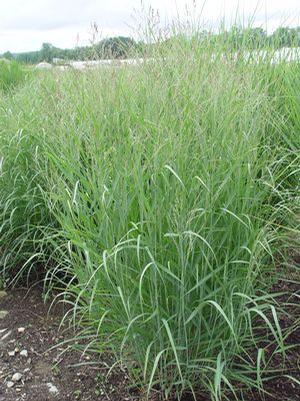

- One of the most upright varieties of Panicum
- Metallic blue leaves turn yellow in the fall
- Airy pink panicles in late summer-early fall


Homeowner Growing and Maintenance Tips:
Prefers average, medium to wet, sandy or clay soil and full sun to partial shade. Tolerates a wide range of soils and occasional flooding. Plants may flop in overly rich soils. Spreads by creeping rhizomes and can be aggressive. Cut back old foliage to the ground in late winter or early spring. May self-seed in good growing conditions. Plants can be divided every few years in early spring.
Additional Characteristics & Attributes:
Attributes:
- Great Foliage
- Container
- Drought Tolerant
- Cold Tolerant
- Salt Tolerant
- Focal Point
- Cut Flower/ Foliage
- Fall Color
- Low Maintenance
- Native
- Mass Planting
- Garden
- Border or Bed
- Dried Flower/ Foliage
- Summer Bloomer
- Ornamental Grass
- Naturalizing
Critter Resistance:
- Deer Resistant
- Rabbit Resistant
Exposure:
- Full Sun
- Partial Sun
Habit:
- Upright
Foliage Color:
- Yellow
- Blue
Season of Interest (Flowering):
- Fall
- Summer
Attracts Wildlife:
- Attracts Butterflies
- Attracts Pollinators
- Attracts Songbirds
Soil Moisture:
- Keep Well-Watered
- Average Water
- Wet Soil/Wetlands
- Dry Soil
- Moist, Well-Drained
Genus Overview: Panicum
Common Name: Switch Grass
Clump-forming ornamental grass with a stiff, columnar habit and medium green leaves turning yellow, sometimes with orange tints in fall, fading to tan-beige in winter. Finely-textured, pink-tinged flower panicles bloom in mid-summer, turning beige in fall as seeds mature and persist into winter. Great mass planted, in perennial borders, as a screen or in naturalized areas.