


All Plants :: All Ornamental Grass
Miscanthus sinensis 'Gracillimus'
Maiden Grass
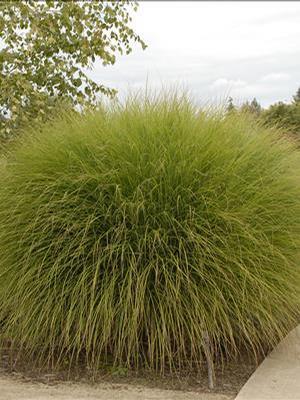
Photo courtesy of Walters Gardens, Inc.


- One of the oldest Miscanthus varieties
- Silver veined, fine green leaves
- Creates round mounds
- Red tinged fan-like plumes emerge in early fall and mature to white

Border or Bed

Container

Cut Flower/ Foliage

Dried Flower/ Foliage

Drought Tolerant

Garden

Great Foliage
Homeowner Growing and Maintenance Tips:
Prefers average, moist, well-drained soil and full sun to partial shade. Tolerates a wide range of soils, summer heat and humidity. Clumps will slowly expand by rhizomes, can be aggressive. Cut off old foliage in late winter-mid spring before new growth emerges. Division can be done in early spring every 5 to 7 years.
Height: 5-7 ft
Spread: 2-3 ft
Price Level 1: $29.99~#2
Bloom Color:
Zone: 5-8
Additional Characteristics & Attributes:
Attributes:
- Great Foliage
- Border or Bed
- Dried Flower/ Foliage
- Summer Bloomer
- Heat Tolerant
- Specimen
- Focal Point
- Garden
- Container
- Drought Tolerant
- Low Maintenance
- Mass Planting
- Cut Flower/ Foliage
- Fall Color
- Ornamental Grass
- Salt Tolerant
Critter Resistance:
- Deer Resistant
- Rabbit Resistant
Exposure:
- Full Sun
- Partial Sun
Habit:
- Upright
- Mounding
Foliage Color:
- Silver
- Green
Season of Interest (Flowering):
- Fall
- Summer
Season of Interest (Foliage):
- Fall
- Winter
Attracts Wildlife:
- Attracts Songbirds
Soil Moisture:
- Wet Soil/Wetlands
- Moist, Well-Drained
- Average Water
Genus Overview: Miscanthus
Common Name: Maiden Grass
Clump-forming grass with upright, green or variegated, arching stems and a rounded, fountain-like appearance. Attractive fall foliage in shades of yellow, orange or purple fading to beige-tan in winter. Pink to red or coppery flowers bloom late summer to mid-fall, often retaining ornamental value through winter. Great as a specimen, in mass plantings, borders and along water garden edges.