
All Plants :: All Trees and Shrubs
Arctostaphylos uva-ursi 'Massachusetts'
Bearberry
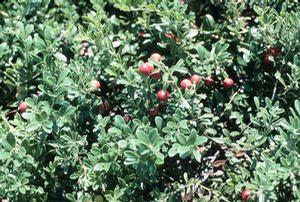
Photo courtesy of Prides Corner Farms

- Low growing native evergreen
- Small, lustrous evergreen foliage
- Small, showy, white tinged pink flowers
- Plump red berries in late summer

Border or Bed

Cold Tolerant

Drought Tolerant

Garden

Ground Cover

Low Maintenance

Mass Planting
Homeowner Growing and Maintenance Tips:
Prefers acidic, gritty, dry to medium moisture, well-drained soil and full sun. Tolerates light shade and is drought tolerant once established. Established plants may be difficult to transplant or divided as they do not tolerate root disturbance well. Grows best in cool summer climates.
Height: 6-12 in
Spread: 4-6 ft
Price Level 1: $29.99~#1
Bloom Color: Non-Flowering
Zone: 2-6
Additional Characteristics & Attributes:
Attributes:
- Ground Cover
- Fall Color
- Native
- Salt Tolerant
- Edging
- Border or Bed
- Cold Tolerant
- Naturalizing
- Mass Planting
- Garden
- Drought Tolerant
- Low Maintenance
- Rock Garden
Critter Resistance:
- Deer Resistant
- Rabbit Resistant
Exposure:
- Full Sun
- Partial Sun
Habit:
- Creeping/Ground Cover
Foliage Color:
- Green
Season of Interest (Flowering):
- Spring
Season of Interest (Foliage):
- Winter
- Spring Bloomer
Attracts Wildlife:
- Attracts Pollinators
- Attracts Songbirds
- Attracts Butterflies
- Attracts Hummingbirds
Soil Moisture:
- Moist, Well-Drained
- Dry Soil
- Average Water
Genus Overview: Arctostaphylos
Common Name: Bearberry
Low-growing, woody, evergreen shrub with shiny, rounded-at-the-tip, dark green leaves. Bronze winter color. Small, drooping, white to pink flowers bloom in clusters in spring. Berry-like fruits follow the flowers, turning red in fall and are eaten by wildlife. Great as a groundcover, in borders, rock gardens and naturalized areas.